

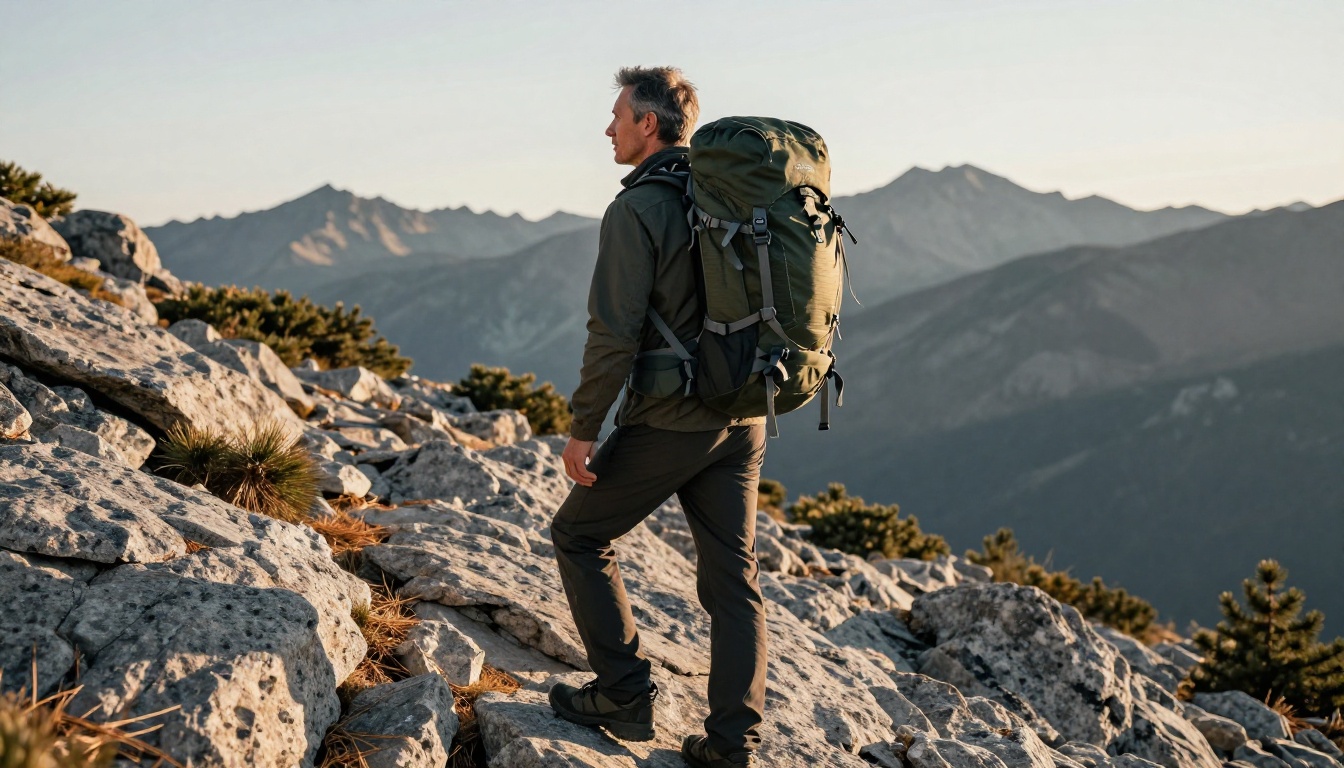
Does an Osprey cost more because it lasts longer, or because it comes with more features? The honest answer is a little of both. Osprey backpack durability usually comes from tough materials, carefully designed suspension systems, and repair support that few outdoor brands match, but a higher price doesn’t make any pack indestructible.
A good pack has to carry well after mile six, when your shoulders are tired and the trail gets rude. Here’s how build quality, warranty coverage, real-world use, and long-term value stack up.
This post may contain affiliate links. If you make a purchase through these links, I may earn a small commission at no extra cost to you.
Key Takeaways
- Osprey’s premium price often pays for stronger construction, better fit, and repair access.
- The Atmos AG 65 pairs recycled fabrics with a supportive AntiGravity suspension.
- The All Mighty Guarantee is useful, but exceptions and exclusions apply.
- A less expensive pack can last for years when used lightly and packed sensibly.
- Fit, load weight, and care matter as much as the label on the shoulder strap.
Osprey Backpack Durability: What Does the Higher Price Actually Buy?
Osprey has built packs since 1974, starting with founder Mike Pfotenhauer’s custom-fit designs in Santa Cruz. That history doesn’t make every zipper immortal, but it does explain the brand’s long attention to fit, suspension, repairability, and materials chosen for a job.
Osprey says it uses field testing, athlete feedback, and lab assessments such as tear and abrasion testing. Public product pages don’t always show the test numbers, though. Treat brand claims as one piece of the picture, then read the specifications and independent long-term reviews.
Stronger Fabrics and Better Load Support Can Reduce Wear
The Atmos AG 65 is a useful example. Its main body, accent, and bottom fabrics use recycled materials, while the pack’s AntiGravity system wraps 3D-suspended mesh around the back and hips. It is made to distribute a backpacking load instead of letting it hang off your shoulders like a sack of potatoes.
Higher-denier nylon generally resists abrasion and tearing better than thinner fabric. A supportive frame and hip belt also reduce strain on seams and zippers because the load stays more stable. The tradeoff is plain enough: more structure adds weight. You carry the pack’s engineering before it carries anything else.
The Almighty Guarantee Adds Value Beyond the Materials
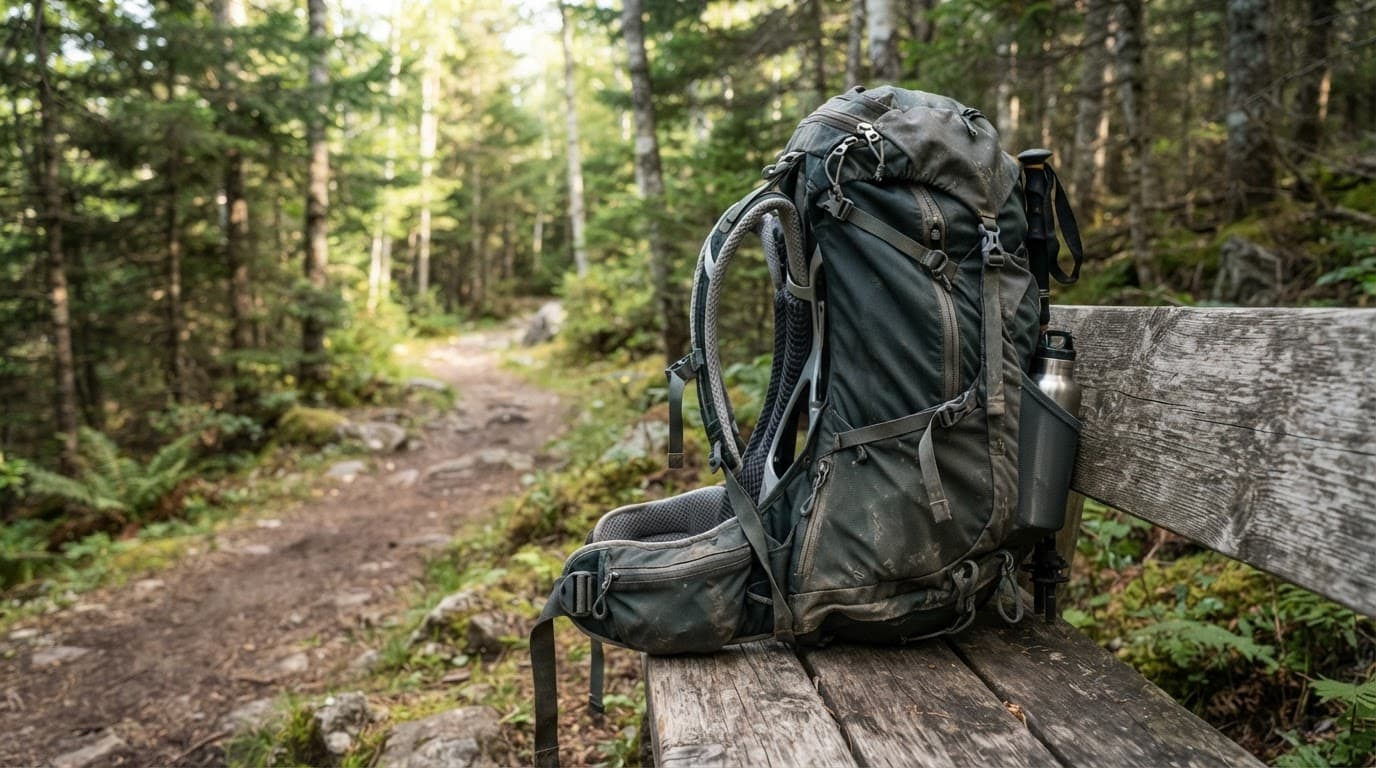
Osprey’s All Mighty Guarantee terms are a serious part of the value calculation. The guarantee is Osprey’s warranty program: many repairable packs can be repaired or replaced for damage or defects, including older products. That can keep a worn but otherwise useful pack out of the closet graveyard.
There are limits. Raptor Pro packs and Soelden/Sopris Pro avalanche airbag packs have five-year coverage. Poco child carriers and Poco accessories have seven-year coverage. User damage is excluded for the limited-coverage lines, and a warranty isn’t proof that nothing will ever break.
A repair policy matters most after the sale, when a loose buckle or damaged panel is no longer a theoretical problem.
Do More Expensive Osprey Packs Last Longer in Real Use?
Often, yes. Automatically, no. Premium models can include heavier-duty materials, more complex suspension, bluesign-approved or recycled fabrics, research, and a repair program. Price can also rise because of newer design updates and inflation, neither of which makes a pack tougher by itself.
The Atmos AG 65 is listed at about $340, while the lighter Atmos AG LT 65 is about $290. Both use AntiGravity suspension. The lower-priced LT isn’t a flimsy bargain-bin cousin. It simply has a pared-back feature set.
What Independent Reviews Say About Osprey’s Strengths and Weaknesses
Long-term reviewers commonly praise Osprey’s stitching, durable fabric, working zippers, and comfort under a heavy load. Reports on the Farpoint 40 often mention scuffs after regular travel, but no tears and zippers that keep doing their job.
Complaints tend to circle back to price and weight. Large framed packs, including the Aether AG 70, aren’t the choice for someone counting every ounce. Comfort is useful, but it isn’t free.
Comparing your options? If you are considering an Osprey pack for regular hikes or travel, you can check the current price, features, and availability before making a decision.
How Osprey Compares With Budget and Mid-Price Backpacks
Brands such as Teton Sports, Kelty, Outdoor Products, and ALPS Mountaineering can make sense for light use and shorter trips. Compare fabric weight, stitching, frame design, zippers, adjustment range, warranty terms, and whether repairs are truly available.
Deuter, Gregory, and REI Co-op sit closer to Osprey on fit and construction. A cheaper pack may last for years on occasional day hikes. Frequent hikers often get better value from an Osprey because a comfortable fit and repair support can reduce replacement costs.
How to Make Any Backpack Last Longer, Including an Osprey
Treat your pack like trail gear, not a bottomless moving box. Choose the right torso size and load range. Don’t overpack it, and keep sharp cookware or tent stakes away from the fabric.
Clean dirt off before storage, dry the pack fully, and look over zippers, buckles, and seams before a small issue turns into an annoying one. A little maintenance beats mailing a pack away after something has become a proper mess.
When Paying More for an Osprey Pack Makes Sense
Osprey makes the most sense for frequent backpackers, travelers carrying heavier loads, and people who need a precise fit. It’s also a sensible choice if long-term repair support matters to you.
For occasional hikes, weekend trips, or light loads, a modest pack may be plenty. Compare fit before price. A $300 pack that hurts after two hours is not a bargain.
Frequently Asked Questions
Here are answers to common questions about Osprey backpack durability, care, repairs, and long-term use.
Are Osprey backpacks waterproof?
Most Osprey packs are water-resistant, not waterproof. Use a rain cover, pack liner, or dry bags when your sleeping bag and electronics need real protection.
Can Osprey repair a damaged zipper?
Osprey may repair zippers and other damage when the pack is repairable under its guarantee. Contact the company before trying a home fix, especially if the damage affects a frame or safety-related part.
Is the Atmos AG 65 too heavy for backpacking?
That depends on your priorities and your load. It weighs more than minimalist packs, but its suspension can feel far better when food, water, and camping gear start adding up.
How long should a quality hiking backpack last?
There isn’t one honest number. A lightly used pack can last many years, while a heavily loaded pack dragged through rock, airports, and bad weather will wear faster.
Final Thoughts
Paying more for an Osprey doesn’t buy a guaranteed lifespan. It often buys a stronger mix of materials, load-carrying comfort, thoughtful construction, and repair support.
The best value depends on how often you hike, how heavily you pack, and how well you care for the bag. Judge Osprey backpack durability by the full cost of ownership, not the price tag at checkout.
Ready to Compare an Osprey Pack?
If Osprey backpack durability, comfort, and repair support fit the way you travel, take a closer look at the available features and current buying options before you decide.
Check the Osprey pack on Amazon
As an Amazon Associate, I earn from qualifying purchases. This comes at no extra cost to you.