

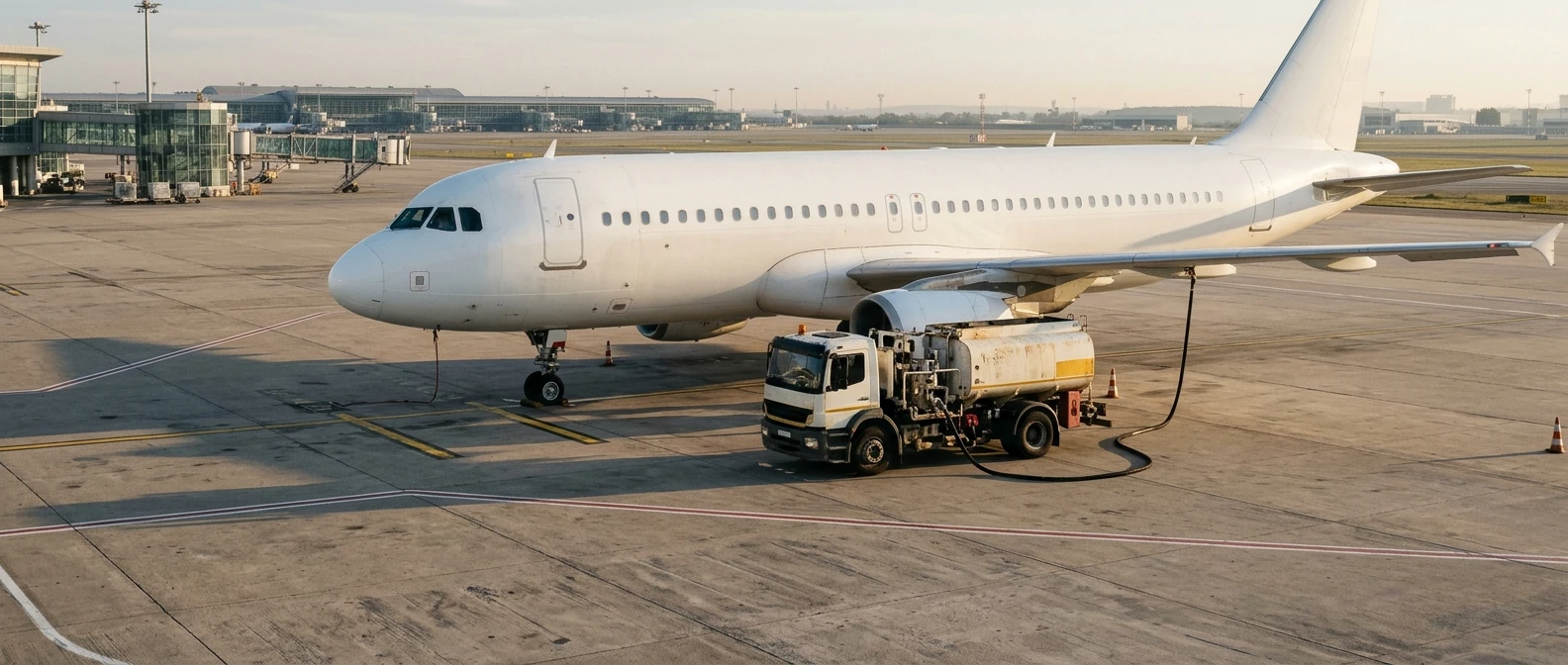
Fuel prices fall. You search for a flight. The ticket still costs more than you wanted to spend.
So where’s the discount?
Fuel prices affect airfare because fuel is a major airline expense. But airlines do not price tickets by adding a fixed markup to the fuel bill. Competition, passenger demand, and available seats also affect what you pay.
That means higher fuel prices can put pressure on fares. Lower fuel prices can reduce airline costs. Neither change guarantees a matching move in your ticket price.
Here’s how the connection works, without pretending an oil-price headline can tell you when to book.
Why Fuel Prices Matter to Airlines
An airline has to pay for fuel, employees, aircraft, maintenance, airport services, and other operating costs.
Fuel is a significant part of that bill.
For a dated example, the Bureau of Transportation Statistics reported that fuel accounted for $7.0 billion, or 15.2%, of domestic operating expenses for 23 reporting U.S. scheduled passenger airlines in the third quarter of 2025.
That figure describes a specific group of airlines during a specific period. It is not a permanent percentage for every airline or flight.
It also does not mean 15.2% of your ticket price goes toward fuel. An airline’s operating expenses and an individual ticket price are two different things.
The useful point is simpler: fuel costs are large enough to matter, but they are only part of the cost of running an airline.
Jet Fuel Prices Are Not the Same as Gasoline Prices
The price at your local gas station is not the fuel price airlines use to operate their jets.
Jet fuel and gasoline are different products. Both can come from crude oil, but they have separate markets.
The U.S. Energy Information Administration explains that refineries process crude oil into products that include gasoline, diesel, and jet fuel.
For a relevant price reference, FRED publishes the EIA’s U.S. Gulf Coast kerosene-type jet fuel spot-price series. It reports daily observations in dollars per gallon.
That series tracks a particular fuel market. It does not tell you what every airline pays at every airport, and it does not predict the price of your next flight.
A cheaper tank of gas is welcome news. It is not an airfare forecast.
How Higher Fuel Prices Can Affect Airfare
When an airline pays more for fuel, its operating costs rise, assuming other factors stay the same.
An airline may try to recover those costs through higher fares or carrier-imposed surcharges. Whether it can recover them depends partly on the market.
American Airlines makes this distinction in its 2024 annual report.
The company identifies fuel as a significant factor in ticket prices. It also warns that fare increases, fuel surcharges, or other revenue increases may not be enough to offset higher fuel costs.
In plain English: an airline can face a bigger fuel bill without being able to pass the whole increase to passengers.
Why not? Because passengers have choices, and competing airlines affect what a carrier can charge.
American’s report states that pricing decisions on its routes are affected largely by the need to meet competition. It also describes fare discounts and promotions when airlines have excess capacity.
So the relationship is real, but it is not automatic.
Why Lower Fuel Prices Don’t Guarantee Lower Fares
Lower fuel costs reduce one airline’s expense. They do not create a rule requiring airlines to reduce fares by the same amount.
A ticket is sold in a market, not calculated from a fixed share of the airline’s fuel bill.
| Factor | How it relates to airfare |
|---|---|
| Fuel costs | Affect the airline’s operating expenses. |
| Competition | Influences the prices airlines can charge on a route. |
| Passenger demand | Affects how readily available seats sell. |
| Available capacity | More seats than buyers can encourage discounts. |
| Other operating costs | Continue even when fuel becomes cheaper. |
An airline facing strong competition may have a reason to discount tickets. Another airline may face enough demand to keep selling seats without lowering its prices.
That is why “fuel is cheaper” and “my flight is cheaper” are not interchangeable statements.
It also explains why a 10% change in fuel prices does not imply a 10% change in airfare. Fuel is only one expense, and fares are not tied to it by a fixed formula.
What About Fuel Surcharges?
Some tickets include a carrier-imposed surcharge, which may be described as a fuel surcharge.
For airfare advertising covered by U.S. Department of Transportation rules, mandatory carrier-imposed surcharges must be included in the advertised total ticket price.
The DOT’s ticket-buying guidance says displayed fares must include applicable government taxes, fees, and mandatory carrier-imposed surcharges.
Optional services are different. Depending on the airline and fare, baggage, advance seat selection, and other extras may cost more.
For comparison purposes, focus on the total you will pay, not just a base fare or one line labeled “fuel.”
My guide to avoiding airline baggage fees and finding the cheapest total fare explains how to make that comparison.
Should You Wait for Fuel Prices to Fall Before Booking?
I would not use fuel prices alone to make that decision.
A fuel-price chart tells you about fuel. It does not tell you whether a useful fare will still be available next week.
Instead, compare the actual flights you could book. That gives you information about your trip, rather than asking an oil headline to do a booking calendar’s job.
1. Compare nearby travel dates
Search a wider date range if your schedule allows it.
A different departure or return date may offer a lower fare, even while fuel prices remain unchanged.
My guide to finding cheap flights with flexible dates shows how to compare those options without assuming a particular weekday is always cheapest.
2. Set a fare alert
Track the route you want to fly.
Google Flights can send email updates when prices change significantly for a tracked route or flight. It also supports tracking “Any dates” when your plans are flexible.
My Google Flights price-alert guide walks through the setup.
An alert is not a promise that prices will fall. It is a way to monitor actual fares without repeatedly running the same search.
3. Compare the full trip cost
Add the extras you need before choosing a fare.
Check baggage charges, paid seat selection, and any other services you intend to buy. Include airport transportation and accommodation costs when comparing different travel plans.
Saving on the flight does not help much if the alternative airport or extra hotel night eats the savings.
4. Read the ticket restrictions
Check the change, cancellation, and refund terms before paying.
The lowest fare may be a poor fit if your plans are uncertain. A slightly higher fare may include benefits you would otherwise buy separately.
The right comparison is between tickets that meet your needs, not simply the two smallest numbers on the screen.
Frequently Asked Questions About Fuel Prices
Do airline ticket prices rise whenever fuel prices rise?
No. Higher fuel prices increase airline costs, but competition and other market conditions affect whether airlines can recover those costs through fares.
Why are flights expensive when oil prices are down?
Crude oil prices are not the same as jet fuel prices. Fuel is also only one airline expense. Demand, competition, and available seats affect ticket prices too.
Does a fuel surcharge have to appear in the advertised fare?
For advertising covered by U.S. Department of Transportation rules, mandatory carrier-imposed surcharges must be included in the advertised total ticket price. Optional services may cost extra.
Can fuel prices tell me the best time to buy a flight?
Not by themselves. Fuel prices do not establish what your route will cost on a future booking date. Compare available fares and use price tracking to watch your actual trip.
The Bottom Line
Fuel prices matter to airlines. They can also affect what passengers pay.
But airfare does not follow fuel prices dollar for dollar, percentage for percentage, or on a fixed schedule.
My advice is to watch the fare you can actually book. Compare dates, check the ticket rules, and add the extras you need.
You’re buying a trip, not a barrel of oil. Compare accordingly.