

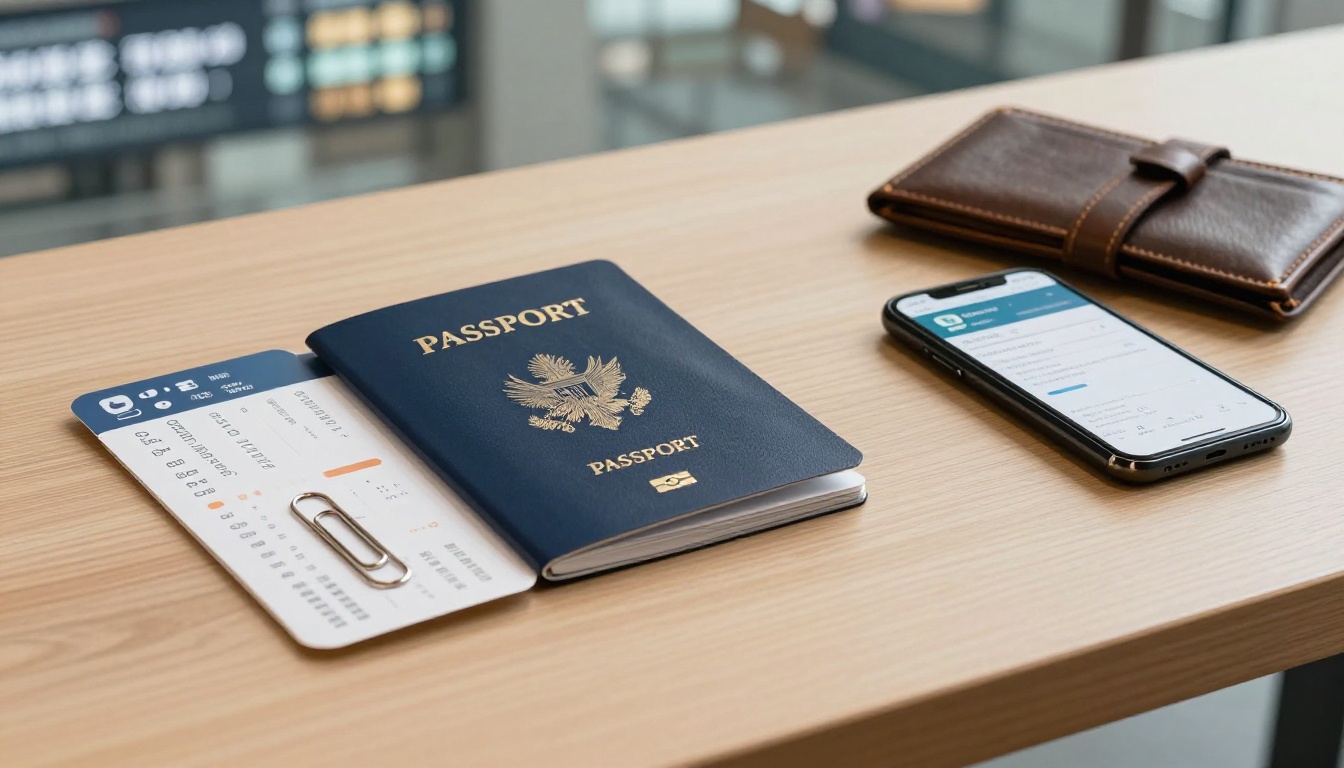
A trip can unravel before takeoff if your documents don’t meet the rules for a transit stop, never mind your destination. That’s a painful way to lose a cheap fare.
When I prepare for international travel and border requirements, I check early and check again before departure. A general checklist can’t account for my passport, route, or dates. Passport rules, visas, border forms, customs, health, and backup documents all deserve a look. I start with what the airline will ask to see.
This post may contain affiliate links. If you make a purchase through these links, I may earn a small commission at no extra cost to you.
Key Takeaways
- Check entry rules for your passport, travel dates, destination, and every transit stop.
- Confirm passport validity, blank-page rules, and any visa or electronic authorization before you book a tight itinerary.
- Keep essential documents with you, plus secure digital and separate paper copies.
- Review arrival forms, customs restrictions, medication rules, and health requirements shortly before departure.
Low Fare Fun trip check
Check the route, not just the destination
- Your passport: Check its expiration date, condition, and blank pages.
- Every country on the itinerary: Check entry and transit rules, including the trip home.
- Every connection: Find out whether you must collect bags, change airports, or pass through immigration.
Use a route-checking tool to spot possible requirements, then confirm them with the relevant official authorities before paying for plans you cannot change.
How To Prepare For International Travel And Border Requirements
You can’t prepare for international travel and border requirements by looking at the destination alone. A connection, a different passport, or a change in travel dates can change what you need. I check each country on the route, including the journey home.
Check passport validity, visas, and transit rules
Many countries require six months of passport validity, but the exact period varies. Some also require blank pages. Check your passport’s condition and expiration date against each country’s official rules before paying for nonrefundable plans.
Next, find out whether your passport and trip require a visa, eVisa, or electronic authorization. The UK ETA applies to many eligible visitors; ETIAS may matter for some European trips, depending on its status when you travel. A short airport connection may have its own rules, particularly if you pass through immigration. I use the IATA Travel Centre to screen a route, then confirm details with official embassy or border agency pages. Even an approved authorization doesn’t guarantee admission.

Carry matching documents and keep backup copies
Book tickets under the name shown on your passport. I keep my passport, approvals, and other essential papers in my carry-on, never checked baggage. Secure digital copies help, but I also keep a paper set separate from the originals: passport information page, visas, first lodging address, and return or onward ticket.
Border officers may ask where you’re staying or how you’ll leave. Children need their own travel documents, and a child traveling without a parent or guardian may need a consent letter and proof of the relationship. Check the requirements before the family heads to the airport.
Your carry-on document kit
- Passport and any required visa or travel authorization
- Arrival forms or confirmation details, if required
- First lodging address and return or onward travel details
- Prescription information and other supporting documents your route requires
Keep backups separate: Save secure digital copies and pack paper copies away from the originals. Copies can help if something is lost, but they do not replace a valid travel document.
Check Entry Forms, Health Rules, and Customs Before Departure
To prepare for international travel and border requirements beyond a visa, I look at what happens after landing. Forms, medicines, and the contents of your bag can all attract questions.
Complete required arrival forms and prepare for customs
Check each destination’s border agency for digital immigration cards, arrival declarations, customs forms, and submission deadlines. Canada’s optional Advance Declaration, for example, is available through ArriveCAN up to 72 hours before arrival at participating airports.

Duty-free allowances and restrictions differ by country. Check rules on food, plants, animal products, and other controlled goods before packing. Keep receipts for costly purchases when useful, and declare items truthfully. Guessing at customs is an expensive gamble.
Review medication, vaccination, insurance, and safety needs
I check the CDC’s destination advice and the entry rules for every country on my route. Some itineraries require Yellow Fever proof; the certificate generally becomes valid 10 days after a first vaccination. That timing matters if you’ve left health checks until the last minute.
Check whether each prescription medicine is legal where you’re going and transiting. Carry medicines in original labeled containers with prescription copies. I also check whether my insurance covers overseas medical care and emergency evacuation; I don’t assume a U.S. plan or Medicare will pay abroad. U.S. travelers can review State Department advisories and enroll in STEP for safety updates.
Make arrival and return smoother
American Airlines recommends reaching the airport at least three hours before an international departure. Check your airline’s guidance, especially its document-check and baggage deadlines.
Keep arrival forms, your lodging address, and onward travel proof easy to reach. For eligible travelers returning to the U.S., Global Entry or Mobile Passport Control may shorten the process. Check current eligibility and airport availability before counting on either.
Before you leave
A final check can protect a cheap fare
- Recheck official entry, transit, and health rules for your exact route.
- Confirm when required forms open and when they must be submitted.
- Check your airline’s document, check-in, and baggage deadlines.
- Review customs and medication rules before you finish packing.
A missed form, a baggage recheck, or an item you cannot bring can turn a low fare into an expensive trip. Check the details before heading to the airport.
Frequently Asked Questions
How early should I check international entry requirements?
I check when I’m planning the trip, particularly before committing to a fare I can’t change. Visa processing can take time, and a passport renewal can take longer than expected. Check again shortly before departure because entry rules can change.
Does a valid visa or travel authorization guarantee entry?
No. An approval may let you board or travel to the border, but an officer makes the final admission decision. Keep your lodging details and onward plans handy in case you’re asked about them.
Do I need to check rules for a short airport connection?
Yes. A terminal change, airport change, or baggage recheck can mean passing through immigration. Even if you expect to stay airside, confirm the transit rule for your passport and exact connection.
What should I do if a travel document is lost abroad?
Contact your nearest embassy or consulate about a replacement. If it was stolen, report the theft to local authorities when appropriate. Saved copies can help establish your details, though they won’t replace the original document for travel.
A Final Check Before You Go
I confirm official entry rules, carry my documents and backups, and check customs and health needs before leaving. Then I check again close to departure. That second look helps me spend less time worrying at the airport and more time enjoying the trip.